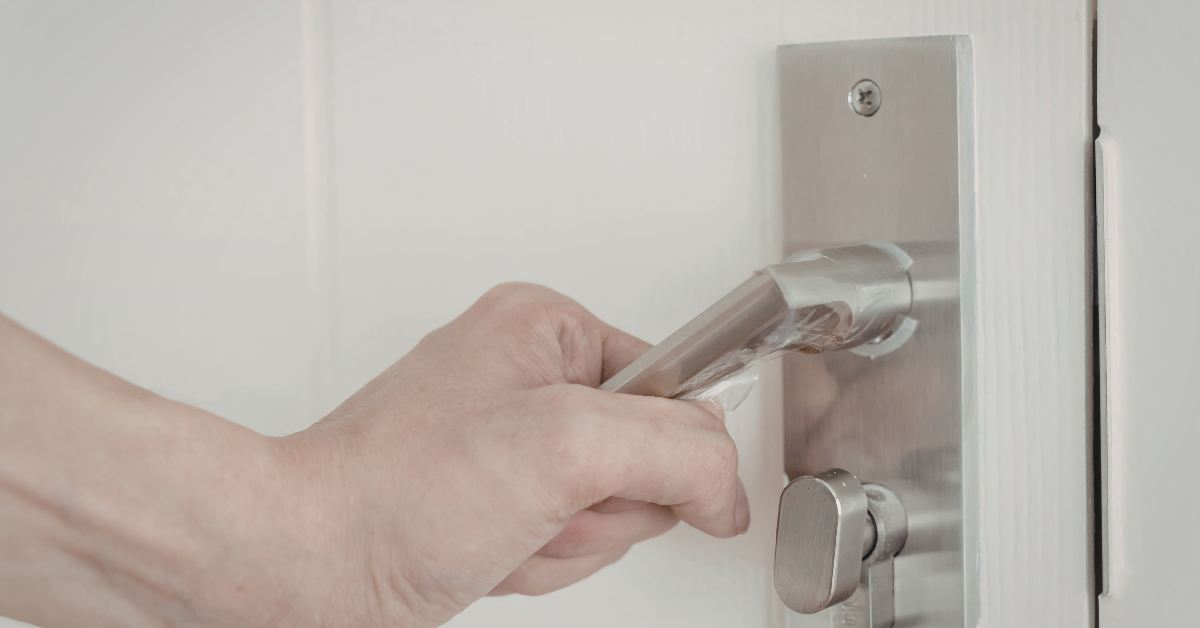

Commercial Metal Door Systems Built for High-Performance Commercial Environments
A commercial metal door is a core structural component in modern commercial buildings where safety, durability, and compliance are essential. From office complexes and shopping centers to warehouses and industrial plants, metal doors provide the strength and reliability required to support daily business operations. These doors are not selected merely for appearance; they are chosen for their ability to withstand heavy use, resist environmental stress, and meet strict regulatory standards without failure.
In commercial settings, doors face constant opening and closing, exposure to varying temperatures, and potential security threats. Metal doors are engineered to handle these demands while maintaining consistent performance. Their long service life and low maintenance requirements make them a practical and cost-effective solution for property owners and facility managers focused on long-term operational stability.
Why Metal Doors Are the Preferred Commercial Standard
Metal doors have become the preferred option in commercial construction due to their superior structural integrity. Unlike wood or composite doors, metal doors do not warp, crack, or swell under pressure or moisture exposure. This stability is crucial in high-traffic environments where even minor deformation can lead to functional issues or security risks.
Another key advantage is their compatibility with commercial-grade hardware. Heavy-duty hinges, closers, and locking systems integrate seamlessly with metal door frames, ensuring smooth operation over time. Businesses that invest in a professionally specified commercial metal door benefit from consistent performance, reduced repair needs, and improved overall building safety.
Security Advantages for Commercial Properties
Security is a top priority for any commercial facility, and metal doors offer a robust first line of defense. Reinforced steel construction, combined with secure frames and advanced locking mechanisms, significantly reduces the risk of forced entry. This level of protection is especially important for businesses that manage valuable inventory, confidential records, or sensitive equipment.
Metal doors also support modern access control technologies. Keycard systems, biometric readers, and electronic locks can be installed without compromising the door’s structural integrity. This adaptability allows businesses to enhance security measures as operational needs evolve, ensuring long-term protection without the need for complete door replacement.
Fire Safety and Building Code Compliance
Fire-rated doors are mandatory in many commercial buildings, and metal doors are the most reliable option for meeting these requirements. Fire-rated metal doors are designed to withstand extreme heat for specified durations, helping to contain fire and smoke within designated areas. This containment is critical for safe evacuation and minimizing property damage during emergencies.
Compliance with fire and building codes is a legal requirement that cannot be overlooked. Metal doors are available in various certified fire ratings, making them suitable for stairwells, corridors, and separation walls. Proper installation and labeling ensure that these doors maintain their rating and continue to meet regulatory standards throughout their lifespan.
Versatile Applications Across Commercial Industries
The adaptability of metal doors makes them suitable for a wide range of commercial sectors. Office buildings rely on them for main entrances, emergency exits, and controlled-access areas. Retail environments use metal doors to secure back-of-house storage and service entrances while maintaining a professional exterior appearance.
Industrial and manufacturing facilities depend heavily on metal doors for warehouses, loading docks, and mechanical rooms where durability is critical. Healthcare and educational institutions also benefit considered metal doors due to their ability to meet hygiene, sound control, and safety requirements. This broad applicability highlights the versatility of metal doors in commercial design.
Energy Efficiency and Environmental Benefits
Modern metal doors contribute significantly to energy efficiency in commercial buildings. Insulated cores help reduce heat transfer, maintaining stable indoor temperatures throughout the year. This insulation lowers the demand on heating and cooling systems, leading to reduced energy consumption and operational costs, particularly in large facilities.
Metal doors also support sustainability initiatives. Many are manufactured using recyclable materials and designed for long service life, which reduces waste associated with frequent replacements. When properly installed and sealed, metal doors help maintain energy efficiency while supporting environmentally responsible building practices.
Customization Options for Function and Appearance
Commercial metal doors offer extensive customization options to meet both functional and aesthetic requirements. Businesses can choose from a variety of finishes, colors, and textures to match branding or architectural design. Vision panels, louvers, and specialized hardware can be added to improve visibility, ventilation, or access control.
Performance customization is equally important. Doors can be engineered for enhanced sound insulation, corrosion resistance, or impact protection depending on their environment. These options ensure that each door system is tailored to its specific application, delivering optimal performance without compromising visual appeal.
The Importance of Professional Installation
Even the highest-quality metal door will underperform if it is not installed correctly. Proper alignment, secure anchoring, and precise hardware installation are essential for smooth operation and long-term durability. Incorrect installation can lead to air leaks, misalignment, or compromised fire and security ratings.
Professional installers understand local building codes and manufacturer specifications, ensuring that doors are installed to perform as intended. Quality installation protects the business’s investment and reduces the likelihood of costly repairs or compliance issues in the future.
Maintenance Practices That Preserve Door Performance
Metal doors require relatively low maintenance compared to other materials, but routine care is still essential. Regular cleaning prevents dirt and corrosive substances from damaging finishes. Inspections of hinges, locks, and closers help identify wear before it leads to functional problems.
Weatherstripping and seals should be checked periodically to maintain energy efficiency and prevent moisture intrusion. Prompt attention to minor issues such as dents or surface rust ensures that doors continue to operate effectively and remain compliant with safety standards over time.

Choosing the Right Commercial Door Partner
Selecting an experienced service provider is critical for successful door installation and long-term performance. Skilled professionals evaluate building requirements, recommend appropriate door specifications, and ensure compliance with all relevant regulations. Their expertise helps businesses avoid common mistakes that can compromise safety or durability.
A reliable partner also provides ongoing support, including inspections, repairs, and system upgrades. Businesses that work with specialists offering commercial metal door solutions gain access to consistent service and expert guidance throughout the life of their door systems.
Cost Efficiency and Long-Term Value
While metal doors may involve higher upfront costs than some alternatives, their long-term value is substantial. Durability reduces the need for frequent replacements, and minimal maintenance requirements lower ongoing expenses. Energy-efficient designs further contribute to reduced operational costs over time.
When evaluating door systems, businesses should consider total cost of ownership rather than initial price alone. High-quality materials, professional installation, and consistent maintenance combine to deliver superior value, making metal doors a sound financial decision for commercial properties.
Impact on Business Image and Operations
The condition and appearance of a commercial facility influence how clients and partners perceive a business. Well-maintained metal doors convey professionalism, security, and attention to detail. This positive impression supports brand credibility and customer confidence.
Operationally, reliable doors reduce disruptions caused by mechanical failures or security breaches. Employees benefit from safer, more secure working environments, which can improve productivity and morale. Metal doors support both efficient operations and a strong professional image.
Future Trends in Commercial Metal Doors
Innovation continues to shape the evolution of commercial metal doors. Advances in materials and insulation technology are producing doors that are lighter, stronger, and more energy efficient. Smart access systems and automated controls are increasingly integrated into door designs, enhancing security and convenience.
Sustainability-driven manufacturing and improved protective coatings are also influencing future developments. These trends ensure that metal doors remain a forward-looking solution for commercial buildings seeking durability, compliance, and long-term performance.
Making a Confident Investment Decision
Choosing the right door system requires careful evaluation of security needs, regulatory requirements, and operational goals. Metal doors offer a proven solution that balances strength, adaptability, and efficiency. By working with experienced professionals and selecting appropriate specifications, businesses can ensure dependable performance for years to come.
For commercial properties focused on safety, durability, and compliance, investing in a professionally installed metal door system is a strategic step toward protecting assets and supporting long-term business success.